
Rising electricity bills and frequent power cuts have pushed many Indian households to look for smarter energy solutions. One of the most effective and eco-friendly options today is solar energy.
If you’re wondering how to get free electricity with solar rooftop panels in India, the good news is that it’s not just possible, it’s already happening for millions of homes.
Thanks to strong sunlight availability, falling solar panel costs, and generous government subsidies, solar rooftop systems can help you produce your own electricity and decrease your power bill to nearly zero.
In this guide, we’ll describe everything step by step in simple English, so even beginners can understand and apply the facts confidently.
What Are Solar Rooftop Panels and How Do They Work?
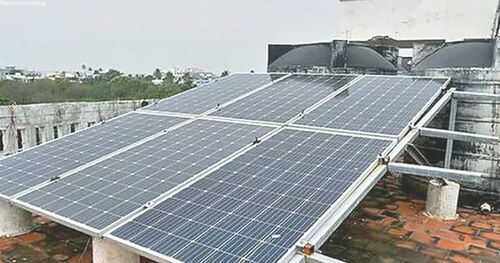
Solar rooftop panels are photovoltaic (PV) panels installed on the roof of your house or building. These panels convert sunlight into electricity.
Basic Working Process
- Solar panels absorb sunlight
- Panels convert sunlight into DC electricity
- Inverter converts DC to AC power
- Electricity is used in your home
- Extra electricity is sent to the grid (via net metering)
Once installed, sunlight is free, so the electricity generated is really free too.
Is “Free Electricity” Really Possible through Solar Power in India?
Technically, yes, but with some conditions.
You still pay an initial installation cost. However:
- Government subsidies reduce upfront costs
- Net metering allows you to earn credits
- Payback period is usually 4–6 years
- Panels last 25+ years
After recovering your investment, the electricity you generate is almost 100% free.
Government Solar Rooftop Subsidy in India (2024–2025)
The Indian government actively promotes rooftop solar through the MNRE (Ministry of New and Renewable Energy).
Subsidy Structure
| System Size | Subsidy Available |
| Up to 3 kW | 40% of system cost |
| 3 kW – 10 kW | 20% of system cost |
| Above 10 kW | No subsidy (residential only) |
| Note : | Subsidies are available only for residential consumers and grid-connected systems. You can apply through the official National Portal: https://solarrooftop.gov.in |
The Government of India has been actively encouraging the adoption of rooftop solar panels for both homes and industries. To make solar power more affordable, several government subsidy schemes have been introduced over the years.
Under most rooftop solar schemes, homeowners can receive a subsidy of up to 40% for installing solar systems of 3 kW or below.
Once installed, these solar panels can meaningfully reduce your electricity bills and, in many cases, even bring them down to zero depending on your power consumption and the size of the system you choose.
Typically, installing 1 kW of rooftop solar requires around 10 square metres of terrace space with uninterrupted sunlight throughout the day.
Even if we take a conservative estimate and assume your solar system reduces your electricity bills by just 30–50%, and works efficiently for about 25 years, the investment usually pays for itself within the first five years. After that, you enjoy nearly 20 years of virtually free electricity.
If you’re already convinced about the long-term benefits of solar energy and the idea of lifetime savings on electricity excites you, let’s now take a quick look at the steps and process you need to follow to start generating free electricity for years to come.
Net Metering: The Key to Zero Electricity Bills
Net metering is the backbone of free electricity through solar.
How Net Metering Works
- Extra electricity generated is sent to the grid
- Your electricity meter runs backwards
- You earn credits for unused units
- Credits adjust against your monthly bill
If your solar system produces as much electricity as you consume, your bill can be ₹0.
Types of Solar Rooftop Systems in India
-
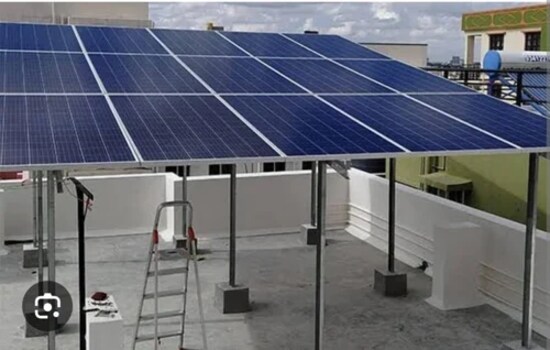
On-Grid Solar System (Most Popular)
- Connected to the electricity grid
- Works with net metering
- Eligible for subsidy
- No battery required
-
Off-Grid Solar System
- Uses batteries
- No grid connection
- Higher cost
- Useful in remote areas
-
Hybrid Solar System
- Grid + battery backup
- Works during power cuts
- Expensive but reliable
For most homes, on-grid systems are best to get free electricity.
How Much Solar Power Do You Need?
Your requirement depends on monthly electricity usage.
| Monthly Units | System Size Needed |
| 150–200 units | 1 kW |
| 300–350 units | 2 kW |
| 450–500 units | 3 kW |
| 600–700 units | 5 kW |
On average, a 1 kW solar system generates 4–5 units/day in India.
Cost of Solar Rooftop Panels in India
Average Cost (Before Subsidy)
| System Size | Cost Range |
| 1 kW | ₹50,000–₹70,000 |
| 3 kW | ₹1.5–2 lakh |
| 5 kW | ₹2.5–3.5 lakh |
After the subsidy, costs reduce meaningfully.
Step-by-Step Process to Get Solar Rooftop Panels
Step 1: Check Roof Suitability
- Shadow-free roof
- South-facing preferred
- Strong structure
Step 2: Apply on National Solar Portal
- Register with electricity consumer number
- Select approved vendor
Step 3: Installation
- Vendor installs panels and inverter
- Inspection by DISCOM
Step 4: Net Meter Installation
- Bidirectional meter installed
- System goes live
Maintenance and Lifespan
- Panels last 25–30 years
- Minimal maintenance
- Occasional cleaning (dust reduces efficiency)
- Inverter replacement after 8–12 years
Environmental Benefits
- Reduces carbon footprint
- Cuts air pollution
- Saves fossil fuels
- Supports India’s renewable goals
Common Myths About Solar Power
❌ Solar doesn’t work in monsoon
✔️ Panels work even in cloudy weather
❌ Maintenance is expensive
✔️ Only cleaning required
❌ Solar is too costly
✔️ Subsidies make it affordable
FAQs: How to Get Free Electricity with Solar Rooftop Panels in India
-
Can solar panels really make my electricity bill zero?
Yes, with proper system sizing and net metering, your bill can be ₹0.
-
Is solar subsidy available in all Indian states?
Yes, but implementation depends on state DISCOMs.
-
Do solar panels work during power cuts?
On-grid systems shut down during outages unless you install batteries.
-
How long does installation take?
Usually 2–4 weeks after approval.
-
Can I install solar in an apartment?
Yes, with society approval and shared rooftop arrangements.
-
What happens if I generate more power than I use?
Extra units are credited and adjusted in future bills.
In Conclusion :
Understanding how to get free electricity with solar rooftop panels in India can transform the way you consume energy. With abundant sunlight, strong government support, and falling costs, solar power is no longer a luxury, it’s a smart investment. By installing a subsidized rooftop solar system with net metering, you not only cut your electricity bills but also contribute to a greener and more sustainable India. The sooner you switch, the more you save.


