
As energy prices continue to rise and environmental awareness grows, more people are switching to solar power to lower electricity bills and reduce their carbon footprint.
However, choosing the right solar panel system isn’t always straightforward. With several technologies and cost factors to consider, making the right decision requires careful planning.
This guide walks you through the key considerations for selecting the best solar panel system, including a comparison between monofacial and bifacial half-cut solar panels, system components, costs, and long-term value.
Evaluate Your Energy Requirements
Before exploring solar panel technologies, start by understanding your energy consumption. Review your electricity bills to determine your average monthly usage. This information helps calculate the ideal system size.
For example, if your household consumes around 1,000 kWh per month, your solar system should be designed to generate at least that amount of energy to meet your needs efficiently.
Understanding Solar Panel Types: Monofacial vs. Bifacial Half-Cut Panels
Choosing the right panel type plays a major role in the performance and efficiency of your solar system. The two most common options today are monofacial and bifacial half-cut solar panels. Each has distinct advantages depending on your location, energy goals, and budget.
Solar Panel Options Explained
-
Monofacial Half-Cut Solar Panels
Monofacial half-cut solar panels absorb sunlight from one side only. They are widely used due to their affordability and reliability. These panels are a popular choice for homeowners and small-scale solar installations, offering dependable performance at a lower upfront cost.
While they may not deliver the same output as bifacial panels, they remain a practical and cost-effective renewable energy solution.
-
Bifacial Half-Cut Solar Panels
Bifacial half-cut solar panels generate power from both the front and rear sides. By capturing reflected sunlight from surfaces such as concrete, sand, or snow, they can produce higher energy output.
Although bifacial panels typically cost more, their improved efficiency and increased energy generation make them an attractive option for those looking to maximise solar performance over the long term.
Determine System Size and Key Components
The size of your solar system depends on your electricity usage and available roof space. A professional solar installer can help design the most efficient solar system for your property.
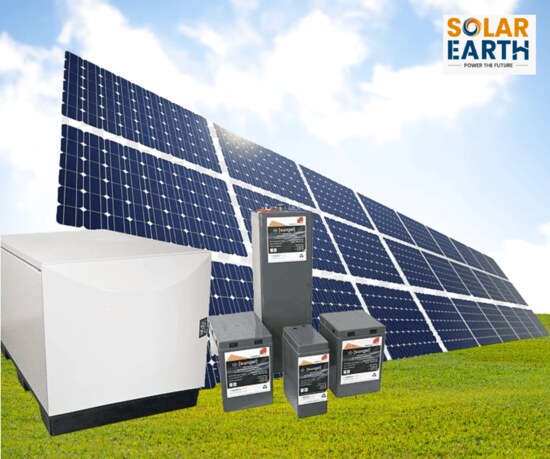
Key components of a solar panel system include:
- Inverter: Converts DC electricity generated by the panels into usable AC power.
- Battery Storage (Optional): Stores surplus energy for later use, ideal for peak demand times or power outages.
- Mounting System: Securely fixes the panels to your roof or ground structure.
Solar Panel Materials
Most solar panels are manufactured using crystalline silicon, a widely available and highly efficient material. This silicon is produced in two main forms: monocrystalline and polycrystalline.
The solar cells are sealed between layers of tempered glass and durable protective polymers, ensuring long-term performance, weather resistance, and protection against environmental damage. An aluminium frame adds structural strength, while conductive metals such as silver and copper are used to efficiently transfer the electricity generated by the cells.
In contrast, thin-film solar panels are made from alternative materials, including amorphous silicon, cadmium telluride (CdTe), or compounds like copper indium gallium selenide (CIGS).
These materials are applied in ultra-thin layers onto surfaces such as glass, steel, or flexible substrates. Thin-film panels are lightweight and highly adaptable, making them suitable for curved or unconventional surfaces.
Although thin-film solar panels typically offer lower efficiency than crystalline silicon panels, they provide distinct advantages in specific applications where reduced weight, flexibility, and installation versatility are key considerations.
Choose the Right Inverter Technology for your Solar Panels
The inverter is one of the most critical elements of a solar system. There are three main types to consider:
- String Inverters: Cost-effective and commonly used, but less efficient when panels experience uneven sunlight.
- Microinverters: Installed on each panel, offering higher efficiency in shaded conditions and detailed performance monitoring.
- Power Optimisers: A hybrid solution that maximises panel output while using a central inverter.
Check Warranty and Panel Durability
Since solar panels are a long-term investment, warranty coverage is essential. Reputable manufacturers typically offer 20–25 years of warranty on performance and materials.
Additionally, ensure the panels are built to withstand local weather conditions, especially if your area experiences heavy rain, strong winds, or extreme temperatures.
How Solar Panels Work
Solar panels operate using the photovoltaic effect, a process that converts sunlight into electricity. When sunlight strikes the solar cells, photons energise the semiconductor material, typically silicon, causing electrons to break free and move. This movement of electrons creates a direct current (DC), which is the initial form of electricity produced by the panels.
To make this electricity usable for homes, businesses, and industrial applications, it is sent to an inverter. The inverter converts the DC power into alternating current (AC), the standard form of electricity used by most appliances and electrical systems.
Once converted, the electricity can be used immediately for self-consumption, stored in batteries for later use, or exported to the electricity grid. This efficient process allows solar energy to reduce reliance on conventional power sources and supports the transition to a cleaner, more sustainable energy system.
Consider Professional Solar Panel Installation
Proper installation directly impacts the efficiency, safety, and lifespan of your solar system. Always choose a certified and experienced installer with strong customer reviews.
Request multiple quotes and compare not only pricing but also installation warranties and after-sales support.
Cost and Return on Investment (ROI)
The total cost of a solar panel system includes panels, inverters, installation, permits, and optional battery storage. Government incentives, rebates, and financing options can significantly reduce upfront expenses.
When assessing ROI, consider:
- Payback period
- Long-term electricity savings
- Protection against rising energy prices
- Potential increase in property value
In Conclusion :
Choosing the right solar panel system requires a thoughtful balance of energy needs, budget, and long-term sustainability goals. With Solar Earth, you gain access to high-quality solar solutions tailored specifically to your requirements.
Our experienced team supports you at every stage from system selection and installation to ongoing support. By switching to solar, you’re not only reducing energy costs but also contributing to a cleaner, greener future. Choose Us and power your life with reliable, renewable energy.
Frequently Asked Questions (FAQs)
-
What should I consider when choosing a solar panel system?
Key factors include energy efficiency, panel type (monofacial or bifacial), system size, inverter technology, budget, and long-term savings potential.
-
What is the main difference between monofacial and bifacial half-cut solar panels?
Monofacial panels capture sunlight from one side, while bifacial panels absorb light from both sides, resulting in higher energy generation under suitable conditions.
-
Are bifacial half-cut solar panels worth the extra cost?
Yes, especially in locations with high reflected sunlight. Their higher efficiency can deliver greater energy output and long-term savings.
-
How much does a solar panel system cost?
Costs vary depending on system size, panel type, and installation requirements. However, government incentives, rebates, and financing options make solar power more affordable than ever.


