
Solar energy has become an applied and reasonable solution for millions of Indian homes and businesses. However, to get the thoroughgoing out of a solar system with a solar battery in India, you essentially need more than just panels on the roof, you want a smart energy storage solution.
A solar battery safeguards your system works day and night, upsurges your savings, and gives you a consistent power backup even during grid failures. In this all-inclusive guide, we’ll break down how solar batteries transform your solar investment, the benefits you gain, and why they’re becoming vital across India.
Understanding Solar System with Batteries in India
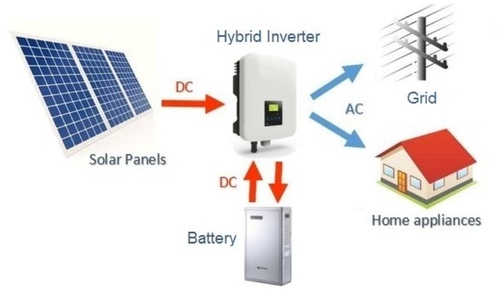
A solar system with batteries in India captures the sun’s energy during the day and stores the surplus electricity for later use, efficiently solving the problem of solar’s intermittence.
This system is vital in the Indian context for providing a consistent backup power source during the recurrent grid outages and for confirming power obtainability after sunset, maximizing the self-consumption of clean energy.
Common battery types used are lead-acid (affordable) and the increasingly prevalent lithium-ion (high energy density, longer life), which, in conjunction with government initiatives, makes solar-plus-storage a vigorous solution for greater energy independence and meeting India’s ambitious clean energy goals.
What Exactly Is a Solar Battery?
A solar battery stores the excess electricity your solar panel system generates during the day. Instead of allowing unused power to go back to the grid, the battery captures it for later use, particularly at night or during power cuts.
Think of it like a water tank that stores extra water so you can use it whenever required.
Why Solar Batteries Matter in the Indian Energy Landscape
Solar batteries, or Battery Energy Storage Systems (BESS), are essential for India’s clean energy transition because they solve the problem of intermittency associated with solar power.
Since the sun only shines during the day, batteries store the surplus electricity generated, making the power obtainable round-the-clock and ensuring a steady, reliable grid even after sunset or on cloudy days.
By enabling the nonstop and dispatchable supply of solar energy, they are vital for India to accomplish its ambitious target of 500 GW of non-fossil fuel-based capacity by 2030 and reduce its trust on fossil fuels. Furthermore, batteries support decentralized power, bringing stable electricity to remote and rural areas that suffer from an unreliable grid.
India faces challenges like:
- Frequent power cuts in many states
- Rising electricity tariffs every year
- Higher demand during peak hours
- Increasing preference for clean energy
With these issues growing, pairing solar panels with a battery is becoming a smart long-term decision.
Key Benefits of Solar-plus-Battery Systems in India
- Backup Power: The primary benefit for Indian consumers is guaranteed power supply during grid power outages (blackouts), keeping essential appliances running.
- Maximised Solar Use: It allows households to use the solar energy they generate during the day at night, instead of feeding it back to the grid for minimal credit, leading to greater savings on electricity bills.
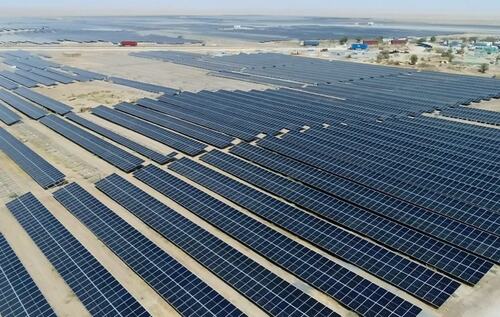
- Grid Stability: At a large scale, Battery Energy Storage Systems (BESS) help the national grid manage the variable nature of solar power, making the overall electricity supply more stable and reliable to support India’s massive renewable energy push.
Benefit #1: Store Excess Energy for Maximum Savings
How Storage Boosts Solar ROI
Your solar panels don’t work at night. But a solar battery safeguards you can use solar power even after sunset. This decreases your evening electricity bills, which are frequently the highest.
Higher storage = Higher savings.
Cost-Saving Scenarios in Indian Households
Most Indian families consume more electricity:
- During evening cooking
- Running ACs at night
- Using lighting and entertainment after sunset
A battery ensures these peak-time consumptions are powered by stored solar energy.
Benefit #2: Ensure Power Backup During Outages
Why India Needs Reliable Backup
Many states like Uttar Pradesh, Bihar, Tamil Nadu, and Odisha still experience frequent outages. Rural areas face even more.
A solar battery ensures:
- Uninterrupted power
- Safety for appliances
- No need to depend on candles or inverters
Solar Battery vs. Diesel Generator
| Feature | Solar Battery | Generator |
| Noise | Silent | Very noisy |
| Fuel | Free | Expensive |
| Pollution | Zero | High |
| Maintenance | Low | High |
A solar battery wins in every category.
Benefit #3: Achieve Greater Energy Independence
Reducing Grid Reliance
With a solar battery, you don’t need to depend entirely on the grid. Even if electricity prices go up, your solar power stays free.
Long-Term Freedom from Rising Tariffs
Electricity tariffs in India have consistently increased over the years. Solar batteries act like insurance against price hikes.
Benefit #4: Enhance Solar System Efficiency
Optimize Generation and Usage
Without a battery, unused power simply goes to the grid or gets wasted. A battery ensures every unit of energy works for you.
Avoid Energy Wastage
With storage, your solar system becomes:
- Smarter
- More productive
- More efficient
Benefit #5: Support the Environment & Reduce Carbon Footprint
Cleaner Energy for India
Solar batteries support renewable goals by reducing reliance on fossil fuels.
Meeting India’s Renewable Goals
India aims to reach 500 GW of renewable energy by 2030. Solar storage will play a major role in making this target possible.
Benefit #6: Government Policies Supporting Solar Batteries
Subsidies and Incentives
The Indian government offers multiple incentives for rooftop solar. While subsidies mainly apply to panels, states increasingly support battery-backed systems too.
State-Wise Advantages
Some states offer benefits like:
- Net metering
- Feed-in tariffs
- Grid export incentives
Benefit #7: Long Lifespan and Low Maintenance
Comparing Modern Battery Types
| Battery Type | Lifespan | Best For |
| Lithium-ion | 10–15 years | Homes & businesses |
| Lead-acid | 3–5 years | Low-budget setups |
| Gel | 5–7 years | Medium-budget setups |
Maintenance Tips for Longevity
- Keep batteries in cool areas
- Avoid deep discharging
- Use high-quality inverters
Benefit #8: Smart Energy Management with Advanced Features
Smart Monitoring Systems
Modern batteries come with apps to track:
- Input energy
- Storage levels
- Output consumption
Remote Access & Automation
You can check everything from your smartphone—anytime, anywhere.
Benefit #9: Increase Property Value
Why Buyers Prefer Solar Homes
Homes with solar + storage systems sell faster and at a higher value.
Long-Term Asset Value
Solar systems are long-term investments that attract environmentally conscious buyers.
Benefit #10: Ideal for Both Residential & Commercial Use
Benefits for Homes
- Reduced monthly bills
- Backup during outages
- Silent and clean power
Benefits for Small Businesses
- Keeps operations running during blackouts
- Reduces generator dependence
- Long-term savings and tax benefits
For more technical details, you can refer to the Ministry of New and Renewable Energy (MNRE https://mnre.gov.in):
FAQs
-
Is a Solar Battery Necessary for Every Solar System in India?
Not mandatory, but highly recommended if you face power cuts or want maximum savings. The necessity of a solar battery for a solar system in India depends entirely on the user’s primary goal and the system type.
For a grid-tied (on-grid) solar system, a battery is not mandatory; excess daytime power is exported to the utility grid under a Net Metering policy, and you draw from the grid at night or on cloudy days, using the grid as a “virtual battery.”
-
How Long Does a Solar Battery Last?
A solar battery’s lifespan varies significantly based on its chemistry, quality, usage, and environmental conditions, but on average, they last between 5 and 15 years. Lithium-ion batteries last 10–15 years.
-
Can I Use Solar at Night with a Battery?
Yes, that’s precisely what the battery is meant for.
-
Are Solar Batteries Expensive?
Prices vary, but savings and convenience make them worth it.
-
Does the Government Offer Subsidies for Batteries?
Subsidies primarily apply to solar panels, but some states support storage systems too.
-
Do Solar Batteries Reduce Electricity Bills?
Yes, solar batteries significantly reduce electricity bills, especially in a country like India where grid tariffs are rising, and power cuts are frequent. They achieve this by allowing you to store the excess solar energy generated during sunny days and use it to power your home at night or during peak tariff hours, avoiding the need to purchase expensive electricity from the utility grid.
Copy/paste the output JSON-LD markup into your HTML page. For an end-to-end schema markup solution, try Schema App
Conclusion
To truly get maximum out of a solar system with a solar battery in India, pairing solar panels with a reliable storage system is essential. From ensuring backup power to maximizing savings and achieving long-term independence from rising tariffs, solar batteries are the missing link that makes your solar investment complete.
Whether you’re a homeowner or a business owner, now is the perfect time to adopt solar storage and enjoy uninterrupted, clean, and cost-effective power.


