
7 Powerful Reasons Why India Needs Domestic Solar Manufacturing for Energy Security
India is racing toward a clean, self-reliant, and secure energy future, and at the heart of this transition lies one critical priority: domestic solar manufacturing. With electricity demand soaring and global supply chains increasingly unstable, understanding why India needs domestic solar manufacturing for energy security is more important than ever. Solar power is already a game changer for India’s renewable energy landscape, but to fully unlock its latent potential, the nation must build its own robust ecosystem of solar equipment production from photovoltaic (PV) modules to inverters, wafers, and cells. Let’s break down the reasons and explore the path forward. Introduction to Why India Needs Domestic Solar Manufacturing for Energy Security Energy security means having reliable, affordable, and uninterrupted access to power. As India aims to become a $5 trillion economy, growing its own clean energy capacity isn’t just an environmental necessity, it’s a strategic one. Domestic solar manufacturing ensures long-term stability and reduces the risks associated with dependence on foreign suppliers. Understanding India’s Current Energy Landscape India’s current energy landscape is in a dynamic transition, marked by a dual dependence on fossil fuels and a quick expansion of renewable energy. While coal remains the dominant source, accounting for the largest share of electricity generation, the country is aggressively pushing towards its goal of achieving 500 GW of non-fossil fuel capacity by 2030. This push is led primarily by substantial growth in solar and wind power, with India now being a chief global contributor to renewable capacity additions. The key challenge is balancing this clean energy transition with the essential to meet ever-increasing energy demand driven by economic growth and urbanization, while also enhancing energy security and addressing the financial viability of its power distribution sector. Heavy Dependence on Imported Fossil Fuels India imports over 85% of its crude oil and a major portion of its natural gas and coal. This dependence exposes the country to price fluctuations and geopolitical tensions. Rising Electricity Demand Across Sectors From manufacturing to households, India’s energy consumption is increasing rapidly. Solar energy is one of the fastest ways to bridge this demand gap. The Role of Solar Power in India’s Clean Energy Transition Solar power is the keystone of India’s clean energy transition, driving the nation toward its ambitious climate goals. With installed solar capacity growing over 40-fold in the last decade to approximately 130 GW, it is the largest and fastest-growing segment of the renewable energy mix. Solar is critical for meeting India’s Panchamrit targets announced at COP26, which include achieving 500 GW of non-fossil fuel capacity by 2030. Government initiatives like the PM Surya Ghar Yojana are accelerating adoption by installing rooftop solar systems for millions of households, promoting both utility-scale farms and decentralized, consumer-owned generation. This shift not only reduces dependence on imported fossil fuels, enhancing energy security, but also helps India drastically cut its carbon intensity to meet its international commitments. National Solar Mission Goals India aims to install 500 GW of renewable energy capacity by 2030, with a massive portion coming from solar. Solar Energy in Rural and Urban Development Solar rooftops, solar pumps, and mini-grids are transforming how both rural and urban areas access clean and affordable electricity. Why India Needs Domestic Solar Manufacturing for Energy Security Building a fully integrated domestic solar manufacturing ecosystem is dominant for India’s long-term energy security and self-reliance, also known as Atmanirbhar Bharat. Presently, India relies heavily on imports for key upstream components like solar cells, wafers, and polysilicon, which creates noteworthy vulnerability to global supply chain disruptions and geopolitical risks. By incentivizing local production through schemes like the Production-Linked Incentive (PLI) scheme, India can secure a stable and consistent supply of solar equipment needed to meet its ambitious target of 500 GW of non-fossil fuel capacity by 2030. This domestic capacity also shields the country from volatile international prices, ensures a reliable supply for large-scale projects, and fosters job creation and technological advancement within the nation. Reducing Reliance on Chinese Imports Currently, India imports over 70% of its solar modules mostly from China. Local manufacturing reduces vulnerability to supply disruptions, trade restrictions, and price volatility. Stable Supply Chain for Solar Equipment Global events like COVID-19 and geopolitical tensions exposed the fragility of international supply chains. Domestic production ensures an uninterrupted supply for solar developers. Strengthening National Energy Independence Made-in-India solar components give India full control over pricing, quality, and availability, key pillars of energy security. Boosting the Indian Economy and Job Creation Domestic solar manufacturing can create: New factories Skilled jobs in engineering and assembly R&D hubs This strengthens the economy and supports rural industrialization. Lowering Solar Costs Through Local Production Producing cells, modules, and inverters in India reduces import duties, logistics expenses, and currency risks, bringing down the cost of solar installations. Encouraging Technological Innovation Local manufacturing hubs promote: Research in advanced PV cells Improved solar efficiency Indigenous technology development Innovation strengthens long-term competitiveness. Supporting India’s Net Zero 2070 Mission To achieve net zero, India must scale solar capacity rapidly. Domestic manufacturing ensures the supply needed for both large-scale and rooftop solar installations. Key Government Initiatives Supporting Solar Manufacturing PLI Scheme for Solar PV Modules The Production-Linked Incentive (PLI) scheme encourages companies to build integrated manufacturing plants in India. Make in India and Atmanirbhar Bharat These initiatives aim to reduce imports and strengthen domestic capabilities in strategic sectors like renewable energy. Challenges in Domestic Solar Manufacturing in India India’s push for self-reliance in solar manufacturing faces numerous noteworthy challenges, primarily revolving around cost competitiveness and the upstream supply chain gap. Indian-made solar modules are often more expensive than imports, largely due to China’s dominant, cost-efficient, and fully-integrated manufacturing ecosystem, which benefits from economies of scale. The chief bottleneck is India’s heavy reliance on imports for critical upstream components like polysilicon, ingots, and wafers, which are the fundamental raw materials for solar cells. Developing this capital-intensive, high-technology segment from scratch requires huge upfront investment, overcoming technological gaps in high-efficiency cells, and securing a consistent supply of key materials.
Increasing Commercial Solar Demands in India in 2026 — Powerful Insights for Businesses
The increasing commercial solar demands in India in 2026 are shaping the country’s energy landscape faster than ever. It’s significant to highlight that commercial solar isn’t just a trend, it’s becoming a tactical investment for Indian businesses of all sizes. Companies across manufacturing, IT, logistics, and retail are adopting solar to cut operational costs, reduce carbon footprints, and meet global sustainability expectations. Overview of India’s Growing Commercial Solar Sector India has already established itself as one of the fastest-growing solar markets worldwide. As the country moves closer to its 500 GW renewable energy target, commercial and industrial (C&I) consumers will become key contributors to this growth. Solar energy adoption in 2026 is expected to surpass previous records, and experts anticipate exponential increases due to advanced technologies, favourable policies, and rising electricity tariffs. Commercial institutions are progressively turning to solar because it offers a consistent, predictable, and long-term energy solution, something the grid often struggles to deliver reliably. Solar Market Evolution Leading Up Over the last decade, solar energy prices in India have dropped by over 80%, making it one of the most reasonable power sources for businesses. Corporations beforehand hesitant about transitioning now see solar as a stable investment with speedy payback periods. Key Factors Driving Demand Rising grid electricity tariffs Availability of cheaper, high-efficiency solar panels Government incentives and favourable policies Increase in ESG requirements for global compliance Corporate desire for energy independence India’s Renewable Energy Vision for 2026 India’s Renewable Energy Vision is a determined strategy centred on achieving energy security, sustainability, and climate goals through an enormous shift towards non-fossil fuel sources. The key commitment is to achieve 500 GW of non-fossil fuel-based energy capacity by 2030, which includes noteworthy expansion in solar and wind power. This goal is part of India’s larger commitment to contest climate change, with a long-term aspiration to achieve Net Zero emissions by 2070 and a target of 1,800 GW of renewable energy capacity by 2047. The vision is backed by major initiatives like the National Green Hydrogen Mission and schemes to promote decentralized power generation like rooftop solar. India’s plan to achieve net-zero emissions by 2070 and meet interim green targets is pushing commercial sectors to adopt clean energy solutions urgently. Government Policies & Incentives India’s policy ecosystem is playing a major role in accelerating adoption. Solar Park Schemes These parks offer pre-approved land, grid access, and quicker project execution, reducing project risk for C&I consumers. Corporate Net-Metering Policies Net metering has enabled businesses to significantly reduce electricity bills by exporting excess power back to the grid. Industrial Adoption Trends Industries in Maharashtra, Gujarat, Tamil Nadu, and Karnataka are leading the solar transition. Many companies are adopting hybrid solar-wind projects to maximize energy generation. Why Commercial Solar Demand Is Increasing in India in 2026? The increasing demand for commercial solar in India is primarily driven by powerful economic and operational factors. Businesses are adopting solar to drastically reduce their soaring operational costs, as solar power offers a fixed, lower cost per unit compared to volatile grid tariffs, with a quick payback period of typically 3-5 years. Furthermore, solar installations provide energy independence and reliability, safeguarding critical operations from frequent power cuts and grid instability. Lastly, government support through accelerated depreciation and net metering policies, coupled with growing corporate commitment to ESG (Environmental, Social, and Governance) goals, makes solar a financially and reputationally smart investment for the commercial and industrial sector. Cost Efficiency & Reduction in Solar Prices Solar power remains the most economical energy option. Falling module prices and increased domestic manufacturing have made solar more accessible. Energy Independence for Businesses Solar systems help businesses avoid reliance on unstable grid supply and diesel generators, which are expensive and polluting. Rise of ESG & Sustainability Reporting Companies aiming for global market presence are required to show sustainability progress, making solar energy a natural choice. Technological Innovations Reshaping Solar in 2026 Technology is one of the strongest forces behind the rising adoption of commercial solar solutions across India. As we move into 2026, revolution is making solar energy smarter, more well-organized, and easier to manage. These advancements not only reduce operational costs for businesses but also safeguard long-term performance and higher reliability. AI-Enabled Solar Analytics Artificial intelligence is transforming the way commercial solar plants operate. Many businesses now rely on AI-based monitoring systems to: Predict energy generation patterns Detect faults in advance Optimize real-time performance Reduce downtime and maintenance costs AI tools help companies make data-driven decisions, ensuring that every panel performs at its highest efficiency. This is particularly useful for large-scale manufacturing units and industrial parks with extensive rooftop or ground-mounted installations. Solar-plus-Storage Solutions Battery energy storage systems (BESS) are becoming increasingly affordable in India, and by 2026, they’re expected to become mainstream in commercial applications. Solar-plus-storage systems offer: Stable power supply during outages Peak load shifting Improved grid independence Enhanced operational continuity This is vital for sectors such as IT, pharma, and logistics, where continuous power is non-negotiable. High-Efficiency Panels & Bifacial Modules New-generation solar modules like TOPCon, HJT, and bifacial panels are taking over the Indian market. These panels deliver more power in a limited space, making them perfect for commercial rooftops. Benefits include: Higher efficiency Lower Levelized Cost of Energy (LCOE) Better performance in low-light conditions Increased durability These technologies significantly support the increasing commercial solar demands in India by 2026 as businesses seek faster ROI and better long-term performance. Major Commercial Sectors Switching to Solar Energy Different commercial and industrial sectors in India are adopting solar energy at unprecedented rates. Many companies now view solar as more than an energy source; it’s a competitive advantage. Manufacturing & Industrial Estates Manufacturing companies consume massive amounts of power. With rising electricity tariffs, solar energy has become a strategic investment to control production costs. Advantages include: Cheaper electricity Improved sustainability ratings Better compliance with green manufacturing norms Industrial hubs in Bhiwandi, Surat, Chennai, and Pune are leading adopters of solar rooftop and ground-mounted systems.
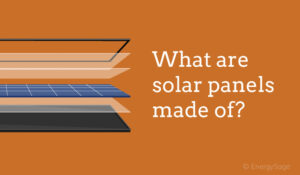
What Are Solar Panels Made Of? Understanding Solar Panel Components
Solar energy is quickly becoming one of the most prevalent and consistent renewable energy sources worldwide. Whether installed on homes, commercial buildings, or large solar farms, solar panels play a vital role in capturing sunlight and converting it into usable electricity. But have you ever questioned what solar panels are actually made of? Understanding their materials and components not only helps you gain how they work but also enables you to make informed choices when purchasing or installing a solar system. In this guide, we break down the structure, core components, and materials used to manufacture solar panels. Introduction: How Solar Panels Work Solar power has transformed the way we produce electricity, offering a cleaner, more sustainable alternative to traditional energy sources. But have you ever pondered what materials actually make up a solar panel? Understanding the core components of a solar panel is key to recognising how it competently converts sunlight into usable electricity. In this blog, we take a closer look at the materials used to build modern solar panels and explore how Solar Earth ensures long-lasting performance, high competence, and excellent durability in every product it manufactures. A solar panel produces electricity through the photovoltaic (PV) effect, a process in which sunlight excites electrons inside semiconductor materials, creating an electric current. To attain this, solar panels are engineered with multiple layers and components, each serving a precise purpose, from absorbing sunlight to protecting the cells from harsh weather. What Are Solar Panels Made Of? Key Materials Solar panels are chiefly constructed from silicon, a semiconductor material derived from quartz sand that converts sunlight into electricity (the photovoltaic effect). This gentle silicon layer is sandwiched between a sheet of durable tempered glass on the front, which permits light to pass through while protecting against weather, and a polymer backsheet for electrical insulation. The whole assembly is held together by an aluminium frame for structural support and uses copper or silver wiring to transport the produced electrical current. Solar panels are chiefly made from silicon, glass, metal, and numerous protective materials. Below are the main components: 2.1 Solar Cells (Photovoltaic Cells) Solar cells are the heart of every panel. Most are made from silicon, one of the most abundant elements on Earth. Types of Silicon Solar Cells: Monocrystalline (Mono-SI) Made from a single crystal structure Highly efficient (18–24%) Uniform black appearance More expensive Polycrystalline (Poly-SI) Made from multiple crystal fragments Average efficiency (15–18%) Blue speckled appearance More affordable Thin-Film Solar Cells Made from materials like: Cadmium Telluride (CdTe) Amorphous Silicon (a-Si) Copper Indium Gallium Selenide (CIGS) They are lightweight and flexible but offer lower efficiency than silicon cells. 2.2 Glass Layer (Tempered Glass) The front surface of most solar panels is made of high-strength tempered glass, which protects the solar cells from: Rain Dust Snow Hail UV radiation This glass is 3–4 mm thick and designed to be impact-resistant and self-cleaning in some models. 2.3 EVA (Ethylene Vinyl Acetate) Sheets EVA is a transparent plastic material used to encase and protect solar cells. It ensures: Cushioning Adhesion between layers Moisture resistance UV protection EVA acts like a glue that holds the panel’s internal components tightly together. 2.4 Backsheet The backsheet is the protective rear layer of the panel, usually made from polymer-based materials like PVF or PVDF. Its functions: Insulate the panel Protect from moisture Increase durability Prevent electrical shocks Common backsheet colors: white, black, and occasionally clear. 2.5 Aluminium Frame A solar panel’s sturdy aluminium frame ensures: Structural support Easy mounting on rooftops Resistance to wind and storms It also helps dissipate heat, improving performance during hot weather. 2.6 Junction Box Located at the back of the panel, the junction box houses: Bypass diodes Terminals Wiring connections Bypass diodes prevent power loss caused by shading on a portion of the panel. 2.7 Encapsulant & Sealants Panels use additional materials to seal and protect internal components: Silicone sealants Polyolefins Laminates These prevent water ingress and improve longevity. 2.8 Conductive Metals Solar cells contain thin metal conductors made from: Silver Copper Aluminium Silver is most common due to its excellent conductivity. How a Solar Panel Is Structured: Layer-by-Layer A solar panel is essentially a high-tech sandwich designed to protect the delicate energy-generating cells inside while letting sunlight through. The structure consists of five to six key layers working together: Aluminium Frame: The sturdy outer edge that provides structural support and allows for mounting. Tempered Glass: A durable, transparent top layer that protects the cells from hail and weather without blocking sunlight. Encapsulant (EVA): Two layers of adhesive polymer (placed above and below the cells) that melt during manufacturing to seal the components and keep out moisture. Solar Cells: The core layer is made of silicon that actually converts sunlight into electricity. Backsheet: A durable polymer rear skin that electrically insulates the panel and protects it from humidity and UV radiation. Finally, a Junction Box is attached to the back of this assembly, serving as the output interface where the electrical connectors are housed. This multi-layered design safeguards ideal performance, durability, and weather resistance. Why These Materials Are Used Each material is chosen for specific reasons: Material Purpose Benefits Silicon PV conversion Efficient, stable, abundant Tempered Glass Surface protection Strong, transparent, UV-resistant EVA Encapsulation Waterproof, flexible, adhesive Backsheet Rear insulation Weatherproof, durable Aluminium Frame structure Lightweight, corrosion-resistant Silver/Copper Conductors High conductivity Junction Box Electrical control Safe wiring & bypass Environmental Impact of Solar Panel Materials Solar panel manufacturing has a smaller environmental footprint compared to fossil fuel energy production. Key sustainability facts: Silicon is abundant and recyclable Panels generate clean energy for 25–30 years Many components (glass, aluminium, some silicon) can be recycled Modern manufacturers also follow strict environmental standards and low-emission processes. FAQs About Solar Panel Materials Q1. Are solar panels made of plastic or glass? Solar panels chiefly use tempered glass, not regular plastic. However, EVA (a type of plastic) is used inside the panel for encapsulation. Q2. Is silicon toxic? No, silicon is
The Rising Demand for Solar Panel Retailers in India
India is witnessing a momentous shift in its energy landscape. As the country moves quickly toward clean power, the demand for solar panel retailers has surged like never before. With rising electricity costs, cumulative environmental awareness, and strong government incentives, both households and industries are actively seeking solar solutions. This growing hunger for solar energy has opened huge opportunities for solar retailers across urban and rural India. Whether you’re a business exploring the solar market or a customer trying to comprehend the ecosystem, this blog post will give you a complete overview of why the demand for solar panel retailers is skyrocketing and what it means for the future. Why Solar Energy Demand Is Exploding in India? The demand for solar energy is exploding in India due to a convergence of economic, environmental, and policy factors. The falling cost of solar technology has made it an economically attractive option, with solar power now often cheaper than new coal-fired power. This is perfected by India’s abundant sunlight (insolation) and the government’s vastly ambitious renewable energy targets, including a goal of 500 GW of non-fossil fuel capacity by 2030. Furthermore, solar power is critical for enhancing energy security by reducing dependence on expensive imported fossil fuels, and for justifying climate change by decreasing carbon emissions, which aligns with India’s international commitments. Government schemes like the National Solar Mission and incentives for rooftop solar acceptance are also vigorously driving this huge push. With expanding solar installations across rooftops, industries, farmlands, and commercial properties, the retail side of the industry has become a decisive pillar in the ecosystem. Here are the key forces driving this growth: Soaring Electricity Prices Consumers, from households to factories, are facing higher electricity bills. Solar offers: Lower cost per unit Long-term savings Protection against tariff hikes This has encouraged millions of Indians to discover solar systems, boosting retail demand. Massive Government Push Government policies such as: PM Surya Ghar Muft Bijli Yojana Subsidies under the Ministry of New and Renewable Energy (MNRE) Net metering guidelines Priority sector lending These initiatives straight upsurge customer interest in solar products, raising demand for retailers who supply equipment and support installations. Growing Consumer Awareness With more consumers understanding: Carbon footprint Energy independence Long-term ROI of solar investments There is a strong shift toward clean energy adoption. Rapid Urbanization and Smart Cities New buildings and commercial spaces are integrating renewable energy as part of sustainability goals, fuelling the necessity for reliable solar retailers offering modern solar solutions. What Does a Solar Panel Retailer Actually Do? A solar panel retailer in India primarily acts as the crucial link between manufacturers and the end customer, whether it’s a homeowner or a business. Their role extends beyond just selling panels and includes consulting customers on their energy requirements, recommending the right capacity system (panels, inverters, batteries), and navigating the complexities of government subsidies and net-metering policies like the PM Surya Ghar Yojana. Lastly, they often partner with or manage installation teams and deliver vital after-sales support to ensure a smooth transition to solar power for the consumer. Solar panel retailers are more than just distributors. They act as the bridge between manufacturers, installers, and end customers. Key roles include: Selling solar modules, inverters, batteries, mounting structures, and accessories Offering product consultation and system recommendations Supporting installers with equipment sourcing Providing after-sales guidance and service Ensuring the availability of high-quality brands locally As demand grows, retailers who deliver technical expertise, robust inventory, and competitive pricing gain an edge. Solar Market Growth Trends are Boosting Retail Demand in India The accelerating growth of the Indian solar market is directly boosting retail demand by creating a tougher, more noticeable adoption cycle. Precisely, the huge deployment of utility-scale and rooftop projects, supported by schemes like the PM Surya Ghar Free Electricity Scheme, has meaningfully increased public awareness and trust in solar technology. This scale has also driven the cost of solar panels down intensely, making retail systems highly cost-effective and financially appealing to residential and commercial customers seeking relief from high grid electricity tariffs and recurrent power outages. India’s solar retail industry is expanding faster than many expected. Let’s look at the trends shaping this surge. Rooftop Solar Boom Rooftop installations, especially residential, are scaling quickly due to: Subsidies Improved financing options Rising electricity costs Easy availability of solar kits This creates demand for retailers who can supply components quickly. Industrial & Commercial Growth Factories, warehouses, tech parks, hotels, and malls are shifting to solar to reduce operational costs. This segment alone has contributed to a steady rise in demand for high-efficiency solar modules and inverters, increasing the business likely for retailers. Solar for Agriculture Farmers are switching to: Solar water pumps Off-grid solar systems Microgrids Government schemes like PM-KUSUM Yojana directly support this tendency and create localized demand for retailers in rural areas. Rise of Solar Entrepreneurs India is experiencing a boom in: Solar installers EPC contractors Solar startups These businesses rely heavily on retailers for procurement, making retail hubs vigorous to the ecosystem. How India’s Distribution Ecosystem Is Evolving Usually, the solar market relied on bulk distributors and direct imports. Today, the landscape has grown into a more structured retail network. Key changes include: Increase in local wholesalers and regional retailers More authorized dealership networks for top solar brands Growth of online solar stores Improved logistics and supply chain systems With India’s solar mission gaining pace, supply reliability has become crucial, positioning retailers as critical partners in the solar transition. Factors Increasing Pressure & Demand for Solar Retailers Here are the forces directly accelerating retail demand: ✔ Rising installations across all sectors Residential, commercial, industrial, and government projects continue to expand annually. ✔ Higher consumer demand for branded products Buyers prefer Tier-1 panels, smart inverters, and long-warranty systems — all sourced through retailers. ✔ Increase in installation companies More installers mean more procurement demand. ✔ Availability expectations Customers expect instant stock and delivery within days, pushing retailers to maintain large inventories. ✔ Regional expansion Smaller towns
How to Maximize Solar Savings with Hybrid Solar Systems in India: Benefits, Costs & Efficiency Guide
India’s rapid shift toward renewable energy has made solar power one of the most prevalent selections for homes and businesses. But with rising electricity prices, recurrent outages, and growing demand for backup power, many people now desire hybrid solar systems over traditional on-grid or off-grid solutions. A hybrid solar system not only produces electricity from sunlight but also stores extra energy in batteries while remaining connected to the utility grid. This gives you the best of all worlds: savings, storage, and stability. In this comprehensive guide, you’ll learn how hybrid solar systems work, why they’re becoming the top choice in India, how much they cost, and how you can maximize your solar savings. What is a Hybrid Solar System in India? A hybrid solar system in India is an advanced power setup that tactically combines solar panels, battery storage, and a connection to the utility grid. This system uses solar energy to power a home or business, stores any surplus electricity generated in batteries for use at night or during power cuts, and can also draw power from or send leftover power back to the grid. This combination confirms a reliable, continuous power supply, which is decidedly beneficial in regions of India prone to frequent power outages, while also reducing electricity bills by maximizing the use of self-generated solar energy. A hybrid solar system syndicates the features of both on-grid and off-grid solar systems. It works in three modes: Solar Power Supply – Solar panels generate electricity during the day. Battery Charging – Excess energy gets stored in powerful solar batteries. Grid Support – If both solar and battery power run out, the system automatically uses electricity from the grid. This three-way balancing makes hybrid systems efficient, flexible, and reliable. Why Hybrid Solar Systems Are Gaining Popularity in India Hybrid solar systems are quickly growing in popularity in India chiefly due to their ability to provide continuous power, combining the benefits of on-grid and off-grid setups. In a country where frequent power cuts (load shedding or blackouts) are common, the battery backup safeguards vital appliances from running, offering energy security that traditional grid-tied systems lack. Furthermore, these systems permit homeowners and businesses to maximize cost savings by utilizing solar energy during the day, storing the surplus for use at night to avoid peak-hour grid tariffs, and often still being eligible to sell excess power back to the grid (net metering). This versatility makes them the perfect solution for achieving energy independence and a reliable electricity supply. India’s electricity challenges make hybrid systems extremely valuable: Power cuts in rural and semi-urban areas Rising electricity tariffs in metros High evening consumption, especially during summer Increased need for backup for appliances like fridges, ACs, and routers More people working from home, needing uninterrupted power With hybrid solar, households relish smooth power flow irrespective of weather or grid outages. Key Components of a Hybrid Solar System The key components of a hybrid solar system are the Solar Panels (PV array), the Hybrid Inverter, and the Battery Storage system. The key components of a hybrid solar system are the Solar Panels (PV array), which convert sunlight into DC electricity, the Hybrid Inverter, which acts as the system’s “brain” by converting power and logically managing the flow between the panels, batteries, and the grid, and the Battery Storage system, which saves surplus solar energy for consistent use at night or during power outages. A complete hybrid solar setup includes: Solar panels (Mono PERC, TOPCon, or Polycrystalline) Hybrid inverter Solar batteries (mostly lithium-ion or tubular gel) Solar mounting structures Battery management system (BMS) DC/AC protection devices Each part plays a vital role in ensuring efficiency and safety. Top Benefits of Hybrid Solar Systems in India The top benefits of hybrid solar systems in India centre on achieving whole energy security and financial optimization. They deliver continual power during the frequent grid outages or blackouts common across India, ensuring vital appliances remain operational using stored battery energy. This unified operation offers a chief benefit over traditional on-grid systems, which shut down when the primary power is lost. Besides, hybrid systems permit users to maximize savings by using the battery to store additional daytime solar energy and discharge it at night or during peak-tariff hours, meaningfully reducing dependence on expensive grid electricity while still being clever to export surplus power back to the utility grid for credit (Net Metering). Let’s explore how hybrid solar systems help you save money, enjoy backup power, and improve energy independence. Power Backup During Outages One of the strongest benefits of hybrid solar systems is instant backup. When the grid goes down: Solar panels supply power (if it’s daytime) Batteries take over the moment solar output drops Essential appliances stay ON without interruption This makes hybrid systems perfect for: Homes Shops Clinics Co-working spaces Small offices You no longer need noisy, polluting generators. Huge Savings on Electricity Bills Hybrid systems help reduce electricity bills by: Using solar energy during the day Using stored power during the evening Minimizing grid consumption during peak hours Reducing reliance on expensive diesel generators A typical Indian family can save ₹2,000 to ₹7,000 per month depending on system size and usage. Use Solar Energy Even at Night Unlike standard grid-tied systems, hybrid systems store surplus daytime energy for night-time use. This reduces dependence on the grid by up to 70–90%. For families with heavy night-time consumption (ACs, washing machines, TVs), hybrid systems are much more cost-effective. Works Even When Net Metering Isn’t Available Many Indian states have: Complex net-metering approvals Long approval timelines Export limitations Hybrid systems let you store extra energy instead of exporting it. You don’t need net metering to maximize your solar benefits. Protects Appliances from Voltage Fluctuations Hybrid inverters stabilize voltage before sending electricity to appliances. This protects sensitive equipment like: Laptops Refrigerators Smart TVs Routers Inverters ACs Voltage stabilization increases the lifespan of home appliances. Environment-Friendly and Low Maintenance Hybrid solar systems run on: Clean energy No noise No
Get Maximum Out of Solar System with Solar Battery in India
Solar energy has become an applied and reasonable solution for millions of Indian homes and businesses. However, to get the thoroughgoing out of a solar system with a solar battery in India, you essentially need more than just panels on the roof, you want a smart energy storage solution. A solar battery safeguards your system works day and night, upsurges your savings, and gives you a consistent power backup even during grid failures. In this all-inclusive guide, we’ll break down how solar batteries transform your solar investment, the benefits you gain, and why they’re becoming vital across India. Understanding Solar System with Batteries in India A solar system with batteries in India captures the sun’s energy during the day and stores the surplus electricity for later use, efficiently solving the problem of solar’s intermittence. This system is vital in the Indian context for providing a consistent backup power source during the recurrent grid outages and for confirming power obtainability after sunset, maximizing the self-consumption of clean energy. Common battery types used are lead-acid (affordable) and the increasingly prevalent lithium-ion (high energy density, longer life), which, in conjunction with government initiatives, makes solar-plus-storage a vigorous solution for greater energy independence and meeting India’s ambitious clean energy goals. What Exactly Is a Solar Battery? A solar battery stores the excess electricity your solar panel system generates during the day. Instead of allowing unused power to go back to the grid, the battery captures it for later use, particularly at night or during power cuts. Think of it like a water tank that stores extra water so you can use it whenever required. Why Solar Batteries Matter in the Indian Energy Landscape Solar batteries, or Battery Energy Storage Systems (BESS), are essential for India’s clean energy transition because they solve the problem of intermittency associated with solar power. Since the sun only shines during the day, batteries store the surplus electricity generated, making the power obtainable round-the-clock and ensuring a steady, reliable grid even after sunset or on cloudy days. By enabling the nonstop and dispatchable supply of solar energy, they are vital for India to accomplish its ambitious target of 500 GW of non-fossil fuel-based capacity by 2030 and reduce its trust on fossil fuels. Furthermore, batteries support decentralized power, bringing stable electricity to remote and rural areas that suffer from an unreliable grid. India faces challenges like: Frequent power cuts in many states Rising electricity tariffs every year Higher demand during peak hours Increasing preference for clean energy With these issues growing, pairing solar panels with a battery is becoming a smart long-term decision. Key Benefits of Solar-plus-Battery Systems in India Backup Power: The primary benefit for Indian consumers is guaranteed power supply during grid power outages (blackouts), keeping essential appliances running. Maximised Solar Use: It allows households to use the solar energy they generate during the day at night, instead of feeding it back to the grid for minimal credit, leading to greater savings on electricity bills. Grid Stability: At a large scale, Battery Energy Storage Systems (BESS) help the national grid manage the variable nature of solar power, making the overall electricity supply more stable and reliable to support India’s massive renewable energy push. Benefit #1: Store Excess Energy for Maximum Savings How Storage Boosts Solar ROI Your solar panels don’t work at night. But a solar battery safeguards you can use solar power even after sunset. This decreases your evening electricity bills, which are frequently the highest. Higher storage = Higher savings. Cost-Saving Scenarios in Indian Households Most Indian families consume more electricity: During evening cooking Running ACs at night Using lighting and entertainment after sunset A battery ensures these peak-time consumptions are powered by stored solar energy. Benefit #2: Ensure Power Backup During Outages Why India Needs Reliable Backup Many states like Uttar Pradesh, Bihar, Tamil Nadu, and Odisha still experience frequent outages. Rural areas face even more. A solar battery ensures: Uninterrupted power Safety for appliances No need to depend on candles or inverters Solar Battery vs. Diesel Generator Feature Solar Battery Generator Noise Silent Very noisy Fuel Free Expensive Pollution Zero High Maintenance Low High A solar battery wins in every category. Benefit #3: Achieve Greater Energy Independence Reducing Grid Reliance With a solar battery, you don’t need to depend entirely on the grid. Even if electricity prices go up, your solar power stays free. Long-Term Freedom from Rising Tariffs Electricity tariffs in India have consistently increased over the years. Solar batteries act like insurance against price hikes. Benefit #4: Enhance Solar System Efficiency Optimize Generation and Usage Without a battery, unused power simply goes to the grid or gets wasted. A battery ensures every unit of energy works for you. Avoid Energy Wastage With storage, your solar system becomes: Smarter More productive More efficient Benefit #5: Support the Environment & Reduce Carbon Footprint Cleaner Energy for India Solar batteries support renewable goals by reducing reliance on fossil fuels. Meeting India’s Renewable Goals India aims to reach 500 GW of renewable energy by 2030. Solar storage will play a major role in making this target possible. Benefit #6: Government Policies Supporting Solar Batteries Subsidies and Incentives The Indian government offers multiple incentives for rooftop solar. While subsidies mainly apply to panels, states increasingly support battery-backed systems too. State-Wise Advantages Some states offer benefits like: Net metering Feed-in tariffs Grid export incentives Benefit #7: Long Lifespan and Low Maintenance Comparing Modern Battery Types Battery Type Lifespan Best For Lithium-ion 10–15 years Homes & businesses Lead-acid 3–5 years Low-budget setups Gel 5–7 years Medium-budget setups Maintenance Tips for Longevity Keep batteries in cool areas Avoid deep discharging Use high-quality inverters Benefit #8: Smart Energy Management with Advanced Features Smart Monitoring Systems Modern batteries come with apps to track: Input energy Storage levels Output consumption Remote Access & Automation You can check everything from your smartphone—anytime, anywhere. Benefit #9: Increase Property Value Why Buyers Prefer Solar Homes Homes with solar +

